
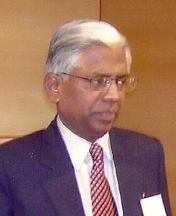
Interview: Mr. L.Pugazhenthy, Director — Indian Lead Zinc Development Association (ILZDA)
January 14, 2015
Please throw more light on lead & zinc especially their demand, supply & self sufficiency in India.
 A few decades ago, India was largely import–dependent for lead and zinc metals. But today, thanks to Hindustan Zinc Ltd (world’s 4th largest integrated Zinc smelter). India has come a long way with about 1.0 million tonne Zinc production capacity. Therefore India is in very comfortable situation to meet the domestic as well as export demand.
In the case of lead, India’s usage of lead batteries in automobiles, inverters, UPS, telecom, electric vehicles, renewable energy etc., has been growing year after and these batteries are scrapped after 3 or 4 years. These used batteries are an excellent input for lead recycling; such recycled lead production as well as primary lead (produced by Hindustan Zinc Ltd from lead ore) are able to meet our domestic demand.
Can you compare the consumption of the metals in the country visa vis consumption in China and other important markets in the World?
Globally China is certainly way ahead, being the dominant player in lead and zinc. India may not be a major player but is fast emerging as a leading producer as well as consumer of lead and zinc in various applications which are ever–growing. Several overseas conferences and meetings do talk about China and India as the current market drivers for lead and zinc in the world.
We have to wait and watch how the economies in US, EU, Japan etc., unfold for lead and zinc growth. Other BRICS countries namely Brazil, Russia, South Africa etc., are also doing well with respect to Lead and Zinc.
Kindly discuss the role of India Lead Zinc Development Association (ILZDA) in fostering industry growth.
India Lead Zinc Development Assn (ILZDA), a 53 year old non profit, non commercial body is active in disseminating technical information to the users of lead and zinc such as lead batteries, galvanizers, dry cell battery units, diecasters, lead & zinc chemicals etc., through our technical journals, enewsletters, seminars, conferences etc., Such a technical backup helps the industry in achieving better product quality, improved metal economy, optimum fuel consumption, cleaner processes with lesser emissions etc.,
ILZDA also conducts promotional seminars on usage of galvanized steel in construction, automobiles, infrastructure etc., as well as applications of lead in telecom, renewable energy, electric vehicles etc.,; these are the end users of lead and zinc metals.
Please comment on the technology in the lead and zinc industry in India? How does ILZDA promote up-to-date technologies to its members?
Both manufacture of Lead & Zinc as well as the downstream activities such as manufacture of lead batteries, galvanizing, diecasting, dry cell batteries etc., are being carried out in India for the last several decades. Therefore, the industry on the whole, has evolved itself with induction of contemporary technologies wherever possible over a period of time. It should also be emphasized that there is always scope for energy–efficient and cleaner processes and technologies in any industry. Frequent technology upgradation and modernisation are very essential for any industry in a competitive environment. Customers also look for suppliers with modern technologies.
ILZDA regularly invites overseas technology experts, manufacturers/ suppliers of plant & equipment to its conferences and exhibitions, thus exposing the Indian industry to the latest in technology, products, services etc.,from other parts of the world.
According to you, what are the challenges in the technology side of the sector?
Recycling of lead from used batteries is a significant and growing activity in the country now. There are a large no. of unauthorised/ unregistered units who pose serious environmental hazards as well as human health risks. These units should give up their current outmoded practices and graduate into newer environment–friendly operations by adopting better technologies in properly covered furnaces with appropriate air pollution prevention equipment.
The regulatory bodies like Ministry of Environment & Forests, Central Pollution Control Board, State Pollution Control Board etc., should also strictly monitor and implement environmental legislations, norms etc., and extend appropriate supportive measures and incentives, in the interest of Sustainable Development.
At present, which industries are the largest business drivers for zinc and lead? Which upcoming sectors are likely to see increased use of these metals in future?
In the case of lead, batteries are the key drivers and in zinc, it is the galvanizing sector. This trend will continue in the coming years also. The growth area for lead batteries are well known such as automobiles, power inverters, UPS, telecom, electric vehicles, renewable energy etc. The future of the galvanizing sector is closely linked to the growth in steel consumption in building & construction, infrastructure such as power, telecom, railways, highways, corridor projects etc. India is likely to invest huge funds in the infrastructural sector in the coming years and decades.
What are your views about the government policies and supportive measures in these sectors?
“Make in India” is an excellent & timely movement. The government needs to go in for investor–friendly policies and procedures, quicker approvals and clearances, better coordination among the central ministries and also between Central and State Govts, reduction of interest rates, duties & taxes, a close relook at Free Trade Agreements, attractive export incentives, strict implementation of environmental rules and regulations, recognition to manufacturers with clean technologies/ energy–efficient operations etc., There could be some more suggestion from the lead and zinc industry.